
Manmohan Singh’s coal block allocation case has been closed by the Supreme Court, which set aside a 2015 order summoning the former Prime Minister as an accused. The apex court passed the order on Wednesday, July 29, 2026, in New Delhi, accepting closure reports filed by the Central Bureau of Investigation (CBI) in the matter. The ruling brings a formal end to over a decade of litigation connected to Manmohan Singh’s tenure as Coal Minister.
What Was the Manmohan Singh Coal Block Allocation Case About?
The case relates to the allocation of the Talabira-II coal block in Odisha in 2005, when Manmohan Singh held additional charge of the Coal Ministry. A 15 per cent share in the block was allotted to Kumar Mangalam Birla-owned Hindalco Industries.
A Special CBI Court in 2015 rejected an earlier CBI closure report and summoned Manmohan Singh, Birla, Parakh, Hindalco and two of its senior officials as accused. The Supreme Court had subsequently stayed that summoning order while the matter remained pending before it.
Why Did the Supreme Court Close the Case Against Manmohan Singh?
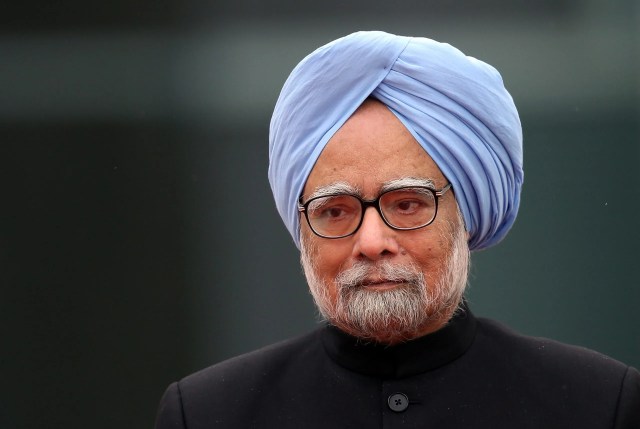
A three-judge Bench comprising Chief Justice of India Surya Kant, Justice Joymalya Bagchi and Justice V. Mohana heard the appeal filed by Manmohan Singh challenging the 2015 summoning order.
The Bench noted that Manmohan Singh’s appeal could technically be treated as infructuous following his death, but it chose to examine the CBI’s closure reports on merit. It held that established legal principles support accepting an investigating agency’s closure report when there is no sufficient ground to proceed further. The Bench found no reason for the Special Judge to have turned down the CBI’s closure reports and taken cognisance against the former Prime Minister.
What Does the Manmohan Singh Coal Block Verdict Mean for the Other Accused?
The order does not apply to Manmohan Singh alone. The Supreme Court’s acceptance of the CBI closure reports effectively closes the case against all persons named as accused in connection with the Talabira-II allocation, including Kumar Mangalam Birla and P.C. Parakh.
- The Talabira-II block was originally meant for a public sector joint venture before a portion was allocated to Hindalco.
- The Manmohan Singh government’s coal block allotments between 1993 and 2010 had earlier come under wider scrutiny, with the Supreme Court cancelling 214 allocations in a separate 2014 judgment.
- Wednesday’s ruling deals specifically with the criminal case tied to the Talabira-II allocation, not the broader 2014 cancellation verdict.
Timeline of the Manmohan Singh Coal Case
- 2005: Talabira-II coal block share allotted to Hindalco during Manmohan Singh’s tenure as Coal Minister.
- 2014: Supreme Court cancels 214 coal block allocations across the country in a separate matter.
- March 2015: Special CBI Court rejects CBI’s closure report and summons Manmohan Singh, Birla, Parakh and others as accused.
- 2015: Supreme Court stays the special court’s summoning order after Manmohan Singh’s appeal.
- July 29, 2026: Supreme Court accepts CBI’s closure reports and formally closes the case.
Supreme Court’s Decision
The ruling provides judicial closure to a long-pending matter and reinforces the principle that courts should give due weight to an investigating agency’s closure report when no fresh material justifies further prosecution.
Some legal observers may note that the case took over a decade to reach finality, raising questions about delays in the criminal justice process for cases involving prominent public figures. The verdict does not amount to a comment on the broader coal block allocation policy debate, which remains a separate matter from this specific criminal case. This has not been officially contested by any other party as of the time of the ruling.
Manmohan Singh’s coal block allocation case has been closed by the Supreme Court more than a decade after the special court’s summoning order was first issued. Manmohan Singh, who served as India’s Prime Minister from 2004 to 2014, was a noted economist before entering politics. The Supreme Court’s decision brings finality to one of the last pending legal matters connected to the coal block allocations made during his tenure.