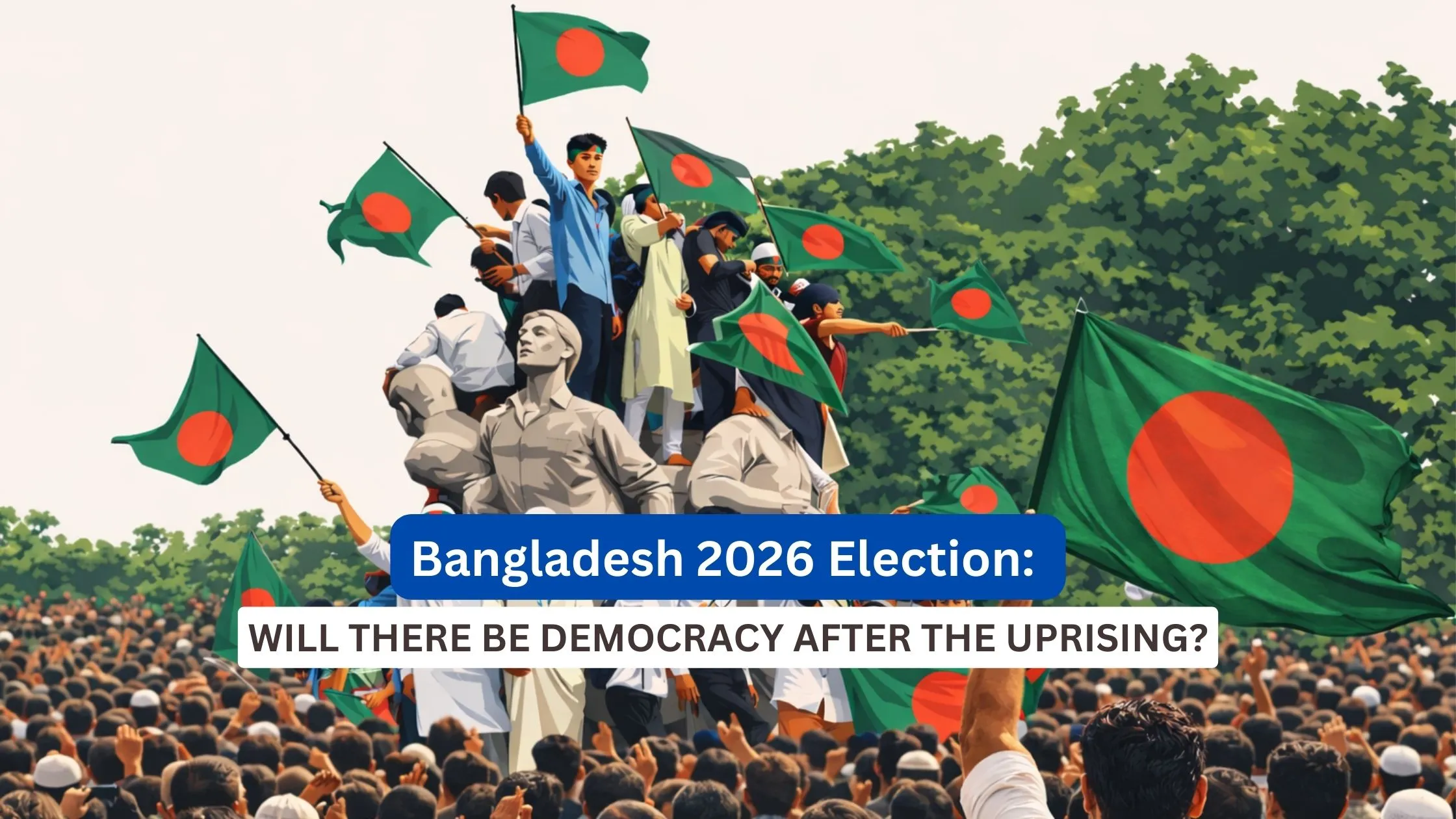
On February 12, over 127 million Bangladeshis will vote in Bangladesh Election 2026—which is shaping to be as the year’s largest democratic exercise. However, this isn’t just some other election—it’s the first on account that a student-led rebellion toppled long-time leader Sheikh Hasina in August 2024.
The August Uprising: A Quick Recap
Last summer’s student-led protests were not simply just demonstrations—they toppled Sheikh Hasina’s government. But alas that cost turned out to be devastating: around 1,400 people killed, most of them students and teenagers, whilst security forces opened fire on protesters.
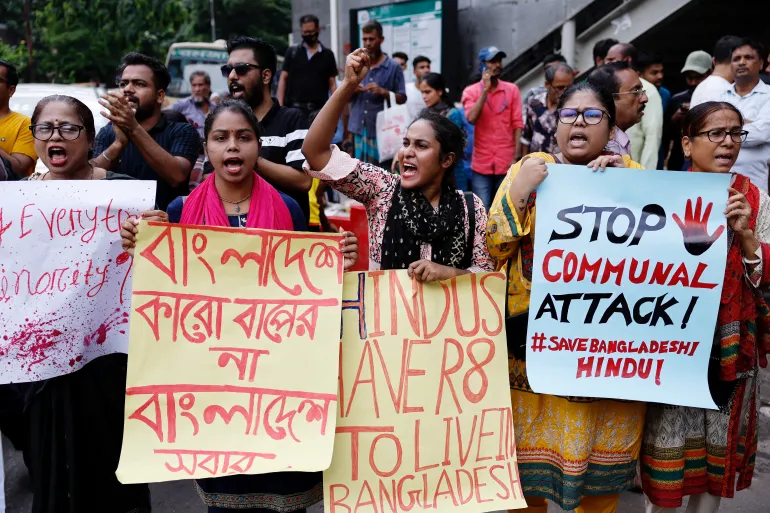
Hasina fled to India. Nobel laureate Muhammad Yunus took over as interim leader. And recently? A Bangladesh court sentenced Hasina to death in absentia for ordering that lethal crackdown.
The political fallout went on and on. Recently, a veteran senior Awami League leader Ramesh Chandra Sen, died on Saturday whilst in custody at Dinajpur District prison. The circumstances have reignited concerns about political prisoners and whether this transition is truly moving toward justice or just shifting who holds power.
Who’s Actually Running for Bangladesh Elections 2026?
The Bangladesh Awami League: Banned
Here’s the wildest part—the country’s biggest party isn’t even on the ballot. After Hasina’s conviction, the Awami League has been completely barred from participating. Imagine the Democrats or Republicans being banned from a US election. That’s the magnitude.
Bangladesh Nationalist Party (BNP): The Establishment Alternative
With the Awami League out, the BNP is positioned as the main establishment option. Founded by former President Ziaur Rahman and previously led by his widow Khaleda Zia, the party pushes Bangladeshi nationalism, free-market economics, and anti-corruption reforms.
Bangladesh Jamaat-e-Islami: Back from the Ban
Once outlawed under Hasina, Jamaat is making a calculated comeback. They’re running their first-ever Hindu candidate, Krishna Nandi, in what seems like a play to shake off their hardline conservative image. But party leader Shafiqur Rahman still says women can’t hold top positions due to “biological limitations.” So, there’s that.
National Citizen Party (NCP): The Protesters Turn Politicians
This is where it gets interesting. The students who led last year’s uprising? They’ve formed their own party. Led by 27-year-old Nahid Islam, the NCP is trying to turn street protest energy into actual governance—pushing for constitutional reform, universal healthcare, climate action, and press freedom.
Bangladesh Election 2026: How Social media shaping the Public opinions?
Forget billboards and rally crowds.With over 40% of voters under 37 and 74 million social media users, Bangladesh’s political campaigns have gone fully digital. Memes matter. Viral videos shape opinions. A well-timed post can do more than a thousand yard signs.
For young voters, this is actually a good thing—sort of. They’re getting unfiltered information that traditional media won’t touch, seeing politicians in ways carefully curated press releases never show.
But here’s the problem: disinformation is everywhere. Deepfakes, AI-generated videos, coordinated misinformation campaigns—it’s all happening in real time. And when you’re scrolling through your feed at 2 AM, can you really tell what’s real?
The irony isn’t lost on anyone: Dhaka University, ground zero for last year’s uprising, is now ground zero for digital political warfare. What goes viral among students today might literally decide the country’s direction tomorrow.
It’s democracy in the age of algorithms—and nobody’s quite sure how it’s going to play out.
Cyber abuse, threats shadow women candidates
Let’s talk about the numbers: Women are 50% of Bangladesh’s population but only 4% of candidates in this election. Of 51 political parties running, 30 haven’t fielded a single woman.
It gets worse. Women candidates are facing organized cyberbullying, character assassination, sexual harassment, and outright threats—both online and offline. We’re talking coordinated campaigns designed to intimidate women out of politics entirely.
And remember Jamaat’s leader saying women can’t hold top positions because of “biological limitations”? Yeah, that’s the kind of environment women are running in.
The combination of online abuse, rising lawlessness, and institutional sexism has created what amounts to a hostile political environment for half the population. For a country that just had a youth-led revolution, the continued exclusion of women from politics is a glaring contradiction.
What’s at Stake in this Bangladesh Election 2026?
Here’s something historic: 15 million Bangladeshi expatriates can vote by mail for the first time ever. Their remittances keep the economy running, and now they finally have a say in how it’s governed. But the big question isn’t about voting logistics—it’s about what happens next.
You’ve got a country where:
- The biggest party is banned
- Students who led a revolution are now running for office
- Disinformation spreads faster than fact-checkers can debunk it
- Women are systematically shut out of political life
- The wounds from last year’s violence are still fresh
Last August, students put their lives on the line—1,400 people didn’t make it home—because they believed Bangladesh could be better. They toppled a leader who seemed untouchable. They proved that when enough people say “enough,” change is possible. They understand that democracy isn’t something you win once and forget about—it’s something you fight for every single day.
But the same forces that resisted change before are still here—just rebranded, repositioned, waiting for their moment. February 12 is just the beginning. The real question is what happens on February 13, and every day after that.
Will Bangladesh’s youth stay engaged, hold leaders accountable, and keep pushing for the reforms they risked everything for? Or will the momentum fade, replaced by cynicism and business as usual?
Post List


About the Author